
Blog
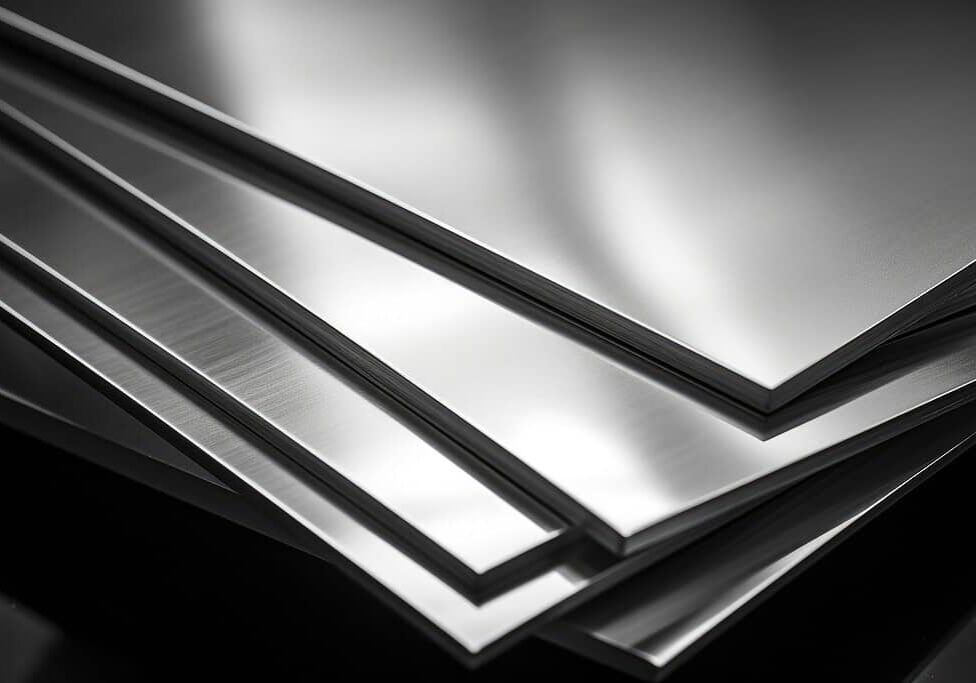
316H vs 316L: High-Temperature Strength or Weldability?
Two stainless steel components can look identical when they leave the workshop yet behave very differently once exposed to welding, heat, pressure and corrosive substances. This is the distinction between 316H and 316L: one is formulated to retain greater strength at elevated temperatures, while the other is designed to reduce the corrosion risks associated with…

304H vs 304L Stainless Steel: Which Grade Should You Use?
304H and 304L belong to the same family of austenitic stainless steels, but they are designed to solve very different material-selection problems. While 304L limits carbon to support welding and reduce the risk of inter-granular corrosion, 304H contains a controlled higher level of carbon to provide greater strength during elevated-temperature service. This distinction matters when…

How Structural Hollow Sections Improve Strength and Efficiency in Steel Frameworks
Structural hollow sections (SHS) have become an integral part of modern steel frameworks, providing engineers and architects with versatile, strong, and efficient building materials. These hollow steel profiles, available in various shapes such as rectangular, square, and circular, offer numerous advantages in terms of strength, weight reduction, and design flexibility. In this blog, we explore…

Nickel Alloy Applications in Aerospace and Power Generation
Inside a jet engine or power station, materials are expected to perform under conditions that would quickly weaken or corrode many conventional metals. Components may experience intense heat, sustained mechanical loads, rapid temperature changes, aggressive gases and corrosive process fluids, sometimes simultaneously. Nickel alloys are used within these environments because their composition can be adjusted…

Why 1.4301 Stainless Steel is Perfect for Food and Beverage Processing
In the food and beverage industry, hygiene and safety are paramount. The materials used in manufacturing, processing, and packaging equipment must meet strict sanitary standards while maintaining durability and resistance to corrosion. 1.4301 stainless steel (commonly known as grade 304) has emerged as the preferred choice due to its unique combination of properties. This blog…
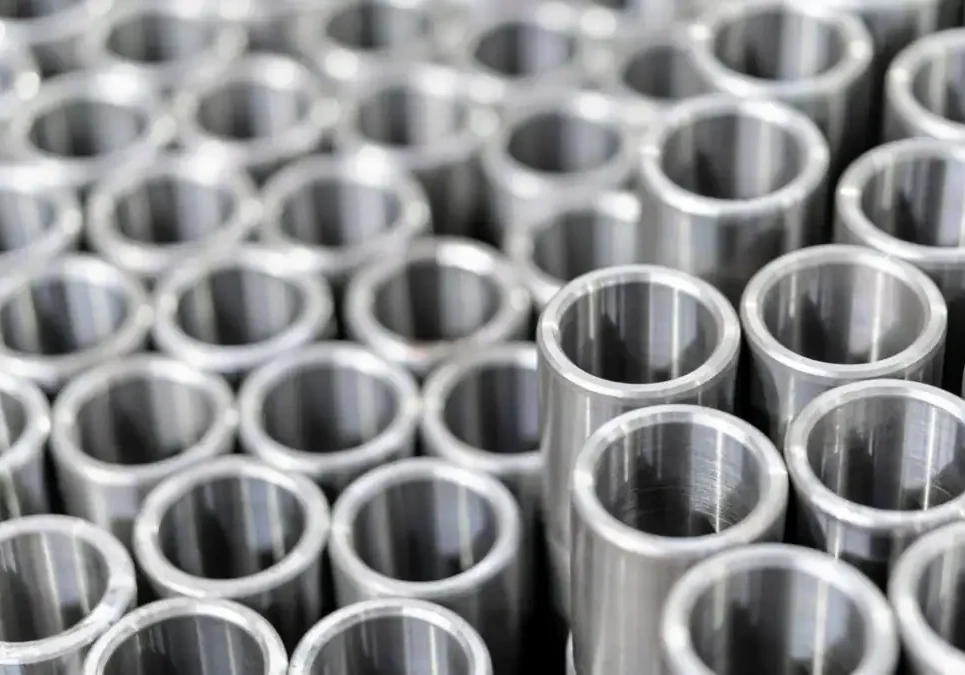
Why 904L Steel is the Ultimate Solution for Corrosion-Resistant Applications
In industries where harsh conditions such as extreme temperatures, high humidity, and corrosive chemicals are the norm, selecting the right material for construction is essential. 904L steel, a premium austenitic stainless steel, is the ideal solution for corrosion-resistant applications. Its unique composition offers superior performance and durability, making it the material of choice for sectors…

Why 321 Stainless Steel is the Best Choice for High-Temperature Stability
When it comes to choosing materials for high-temperature applications, 321 stainless steel stands out as one of the most reliable options. Specifically designed to offer enhanced performance in environments where heat is a constant factor, it is stabilized with titanium, allowing it to maintain structural integrity and resist corrosion even at extreme temperatures. This blog…

The Advantages of 316Ti Stainless Steel in High-Temperature Applications
When selecting materials for high-temperature environments, few options offer the versatility and durability of 316Ti stainless steel. This titanium-stabilised variant of the 316 grade brings enhanced resistance to corrosion and stress cracking, making it ideal for demanding industries such as petrochemical, oil and gas, and power generation. In this blog, we will explore why it…

Why 304L Stainless Steel is Best for Welded Structures
When it comes to welded structures, the material you choose plays a critical role in ensuring durability and strength. 304L stainless steel is often the material of choice for these applications, thanks to its excellent corrosion resistance, weldability, and low carbon content. In this blog, we’ll explore why 304L stainless steel is particularly well-suited for…

What Our Seamless Pipe Can Be Used For
When selecting materials for demanding applications, pipes without seams often stand out as the preferred choice. Known for their superior strength, durability, and uniformity, these pipes are essential in various industries where reliability is non-negotiable. At Intamet, we offer a wide range of high-quality piping solutions designed to meet the rigorous standards of today’s industrial…